


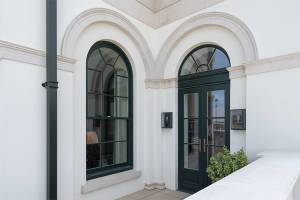
Architectural Windows Ireland
Curtain Wall, Structural Glazing and Large-Format Systems
Commercial & Architectural Windows
Bright Vista Group supplies architectural and commercial window systems for Ireland’s built environment, from curtain wall glazing on office buildings to structural glazing panels on hotels, retail facades, and mixed-use developments.
Our architectural range covers large-format aluminium systems, floor-to-ceiling fixed and opening configurations, curtain wall stick and unitised systems, and structural glazing panels. All systems are engineered to the span and load requirements of the project, compliant with Part L and Part M of the Irish Building Regulations, and finished in marine-grade Qualicoat powder coat across over 200 RAL colours.
These systems are designed for offices, mixed-use developments, larger commercial buildings, and design-led structures where appearance and performance need to work together.
Architectural glazing systems are engineered to different standards than residential windows. They must carry structural loads (wind pressure, dead load of the glass itself), accommodate differential movement between frame and structure, drain water through controlled drainage planes, and, for floor-to-ceiling systems, meet the specific safety glazing requirements under BS 6262 and IS EN 14179. In many projects, these windows also need to help create a professional, modern finish that reflects the quality of the wider development.
Technical Specification: Architectural and Commercial Glazing Systems
Structural Spans
Systems engineered for floor-to-ceiling spans from standard storey heights up to 5+ metres. Curtain wall stick-system profiles handle wind loads to BS EN 13830. Maximum glass leaf sizes available on specification — confirm with BVG for project-specific load calculations.
Surface Finish
Marine-grade Qualicoat Class 1 and Class 2 powder coat across the full RAL palette (200+ colours). Dual-colour available. Anodised finish also available for coastal and high-humidity environments. Finish is warranted by the powder coat applicator.
Frame Materials
High-grade 6063-T5 or 6063-T6 extruded aluminium alloy for standard architectural systems. Structural steel profiles available for specific load cases or design-led architectural statements. Thermally broken profiles standard for all glazed commercial applications under Part L.
Regulatory Compliance
Systems designed to comply with Irish Building Regulations Part L (Conservation of Fuel and Energy, Buildings Other Than Dwellings), Part M (Access and Use), and Part A (Structure) where structural loads apply. All glazing products CE marked to EN 14351-1 or BS EN 13830 (curtain wall). Fire-rated glazing available where Part B compliance is required.
Thermal Performance
Thermally broken architectural aluminium systems achieve whole-window U-values from 1.0 W/m²K. Curtain wall Ucw values available on specification, typically 1.5 to 2.0 W/m²K depending on frame percentage and glazing spec. NZEB-compliant configurations available for new commercial builds.
Safety Glazing
All floor-to-ceiling and structural glazing panels supplied as laminated safety glass to BS 6262 Part 4. Toughened and laminated options available. For structural point-fixed glazing, glass is structurally assessed per BS EN 10080 / ETAG 002 as applicable.
Commercial and architectural glazing buyers need more than a product description, they need confidence that the system is engineered for the span, load, and compliance requirements of their project. They want confidence that the system is suitable for large-scale use, that it can support modern architectural design, and that it has the strength to perform over time.
For some clients, the attraction is clean lines and larger glazed areas. For others, it is the fact that a high-spec aluminium or steel system can support demanding project goals without losing design quality. In both cases, the window system becomes part of the building identity, not only a practical feature.
This kind of glazing is especially useful where light, openness, and visual impact are part of the project brief. It can also help support a stronger professional finish in commercial environments where the appearance of the facade matters just as much as the inside experience.
At Bright Vista Group Ltd, our architectural windows are designed for projects that need more from their glazing. BVG supplies architectural and commercial glazing systems to developers, main contractors, and architects across Ireland. Supply-only and supply-and-install options available. Documentation for planning and specification submissions provided at no charge.
Ready to Specify Architectural Glazing for Your Commercial Project?
Book a Free Technical Site Survey
Or visit our Bluebell Showroom to experience the quality in person.
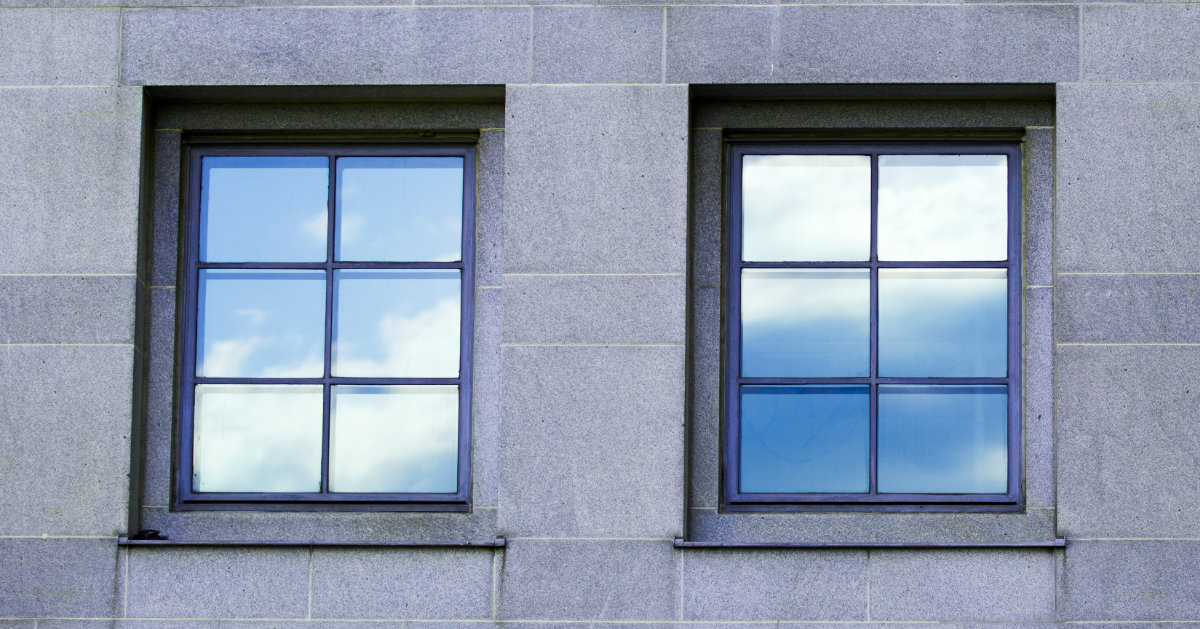
Architectural Glazing Systems: Curtain Wall, Structural Glazing and Floor-to-Ceiling
Four system types BVG covers:
Curtain wall glazing
Non-load-bearing external glazing skin suspended from the building structure. Available in stick-system (site-assembled) or unitised (factory-assembled panels). Common on offices, hotels, and commercial facades across Ireland.
BS EN 13830Structural glazing
Glass panels bonded to the aluminium frame with structural silicone rather than mechanical pressure plates — creating a flush exterior face with no visible frame line. Used where maximum glass area and minimal visual interruption are the design intent.
Structural silicone bondedFloor-to-ceiling windows
Fixed or opening systems spanning the full interior height of a room or storey. Common in apartment developments, hotel rooms, and commercial office fit-outs.
BS 6262 Part 4 — laminated safety glassLarge-format aluminium windows
Oversize aluminium units for commercial, residential, and mixed-use projects where standard residential sizes are insufficient. Available in tilt-and-turn, slide-and-tilt, and fixed configurations up to the structural span limit of the frame system.
Tilt-and-turn · Slide-and-tilt · FixedCommercial and Architectural Glazing Applications in Ireland
BVG supplies architectural glazing systems across a range of commercial project types in Ireland:
- Offices and corporate campuses: curtain wall facades, floor-to-ceiling glazing, feature entrance screens
- Hotels and hospitality: feature glazing, panoramic room windows, glazed atria
- Apartment developments: large-format residential windows at commercial volume, balcony glazing systems
- Retail and mixed-use: shopfront and retail facade systems, structural glazing shop windows
- Education and public buildings: high-specification fixed and opening systems to Part M accessibility standards
- Industrial and logistics: high-bay factory windows, warehouse frontage glazing
For projects requiring specification-stage consultation, BVG provides system selection advice, U-value calculations, and sample Declarations of Performance for inclusion in planning submissions.
Technical Documentation for Architects and Specifiers
For architects, quantity surveyors, and project managers specifying architectural glazing systems, BVG provides:
- Product Declarations of Performance (DoP) for CE-marked systems.
- Thermal calculations (U-value, Uw) for Building Regulation compliance submissions.
- System drawings and installation guides for inclusion in project specifications.
- Qualicoat finish certification for specified colours.
- Fire-rating certificates for fire-rated glazing configurations.
- Wind load and structural data sheets for engineering review.
All documentation is available on request at specification stage, before any commercial commitment. Contact BVG with your project brief and we will provide the relevant documentation.

Frequently asked questions
Architectural Windows Ireland
Curtain wall glazing is a non-load-bearing external wall system that hangs from the building’s primary structure rather than sitting within the structure. The glazing panels and frames transfer wind loads and their own self-weight to the structural frame via mechanical fixings, but carry no floor or roof loads. Curtain wall systems are used on offices, hotels, and commercial buildings in Ireland where the facade is predominantly glass.
Curtain wall uses aluminium pressure plates and gaskets to mechanically retain the glass within the frame — you can see the frame on the outside. Structural glazing bonds the glass to the frame using structural silicone adhesive, creating a flush exterior surface with no visible frame line. Structural glazing requires engineering sign-off and periodic silicone inspection. Both systems are available from BVG.
Floor-to-ceiling window sizes depend on the frame system, glass thickness, and wind load requirements for the specific site. BVG’s architectural aluminium systems accommodate floor-to-ceiling heights up to 5+ metres. All floor-to-ceiling glass is supplied as laminated safety glass to BS 6262 Part 4. For specific span and load requirements, we provide structural calculations at specification stage.
BVG’s large-format aluminium window systems accommodate oversized commercial and residential applications. Maximum sizes depend on the frame system and glass specification — as a guide, individual glass panes in commercial tilt-and-turn or fixed configurations can reach 2.4m wide x 3.0m high before structural reinforcement is required. Confirm project-specific sizes with BVG at specification stage.
Yes. BVG’s thermally broken architectural aluminium systems achieve U-values from 1.0 W/m²K, supporting NZEB-compliant building designs under Technical Guidance Document L (Buildings Other Than Dwellings). U-value calculations for energy modelling and BER certification are available from BVG at specification stage.
Yes. BVG supplies and installs architectural and commercial glazing systems across Ireland, working with main contractors and fit-out companies on projects from Dublin to Cork, Galway, and nationwide. For large commercial projects, BVG can provide project management support, phased delivery, and site-specific installation coordination.